How to Read a Pet Food Label in Australia
A label-reading workflow for comparing purpose, feeding directions, storage and manufacturer information without treating marketing terms as nutrition advice.
It answers the immediate buying or care decision first, then explains evidence, trade-offs, a concrete example and the point at which professional advice is more appropriate than another product.
Begin with purpose and species
First confirm that the product is intended for the correct species and life stage and whether it is presented as a complete diet, complementary food, treat or supplement. A prominent protein name is not enough. The front of pack is designed for quick recognition; the back panel and manufacturer information are where the feeding purpose, directions and cautions should be assessed.
Read the current pack, not an old web description
Formulations and pack sizes can change. Check the exact product in hand, especially when buying a refrigerated roll, a therapeutic-style diet or a food being used in an elimination trial. Record the product name, batch and best-before date when changing diets. If the online description conflicts with the current label, pause and ask the manufacturer or retailer rather than guessing.
Understand the Australian context
Pet food oversight in Australia is not identical to human food regulation. The Department of Agriculture says states and territories have primary responsibility for manufacture and sale, and in April 2026 agriculture ministers decided a new regulatory approach was not warranted at that time. This makes traceability, manufacturer contact information and clear handling directions important comparison points. It does not mean every product is unsafe; it means shoppers should not assume human-food labelling rules apply in the same way.
Use feeding guides as a starting estimate
A pack guide cannot see the animal’s body condition, activity, desexing status, treats or health. Start with the current direction, measure the portion consistently and monitor weight and body condition. A simple worked case: when training treats increase during puppy classes, the main meal may need adjustment so total daily energy does not climb unnoticed. Growth, pregnancy, disease and major weight change warrant professional advice.
Check storage and hygiene
Refrigerated foods need an intact cold chain and careful after-opening storage. Dry foods should be kept sealed, dry and protected from pests; retain the original packaging or at least the batch information. Wash bowls and utensils. Dispose of food that smells abnormal, is mouldy, has damaged packaging or has been stored outside its directions.
Know when label comparison is not enough
Chronic itching, vomiting, diarrhoea, weight loss, urinary signs or appetite change require diagnosis rather than repeated unsupervised food switching. Veterinary therapeutic products and prescribed elimination diets have specific purposes. Bring photographs of the label and a complete list of foods, treats, supplements and flavoured medications to the appointment.
Separate meaningful information from claims
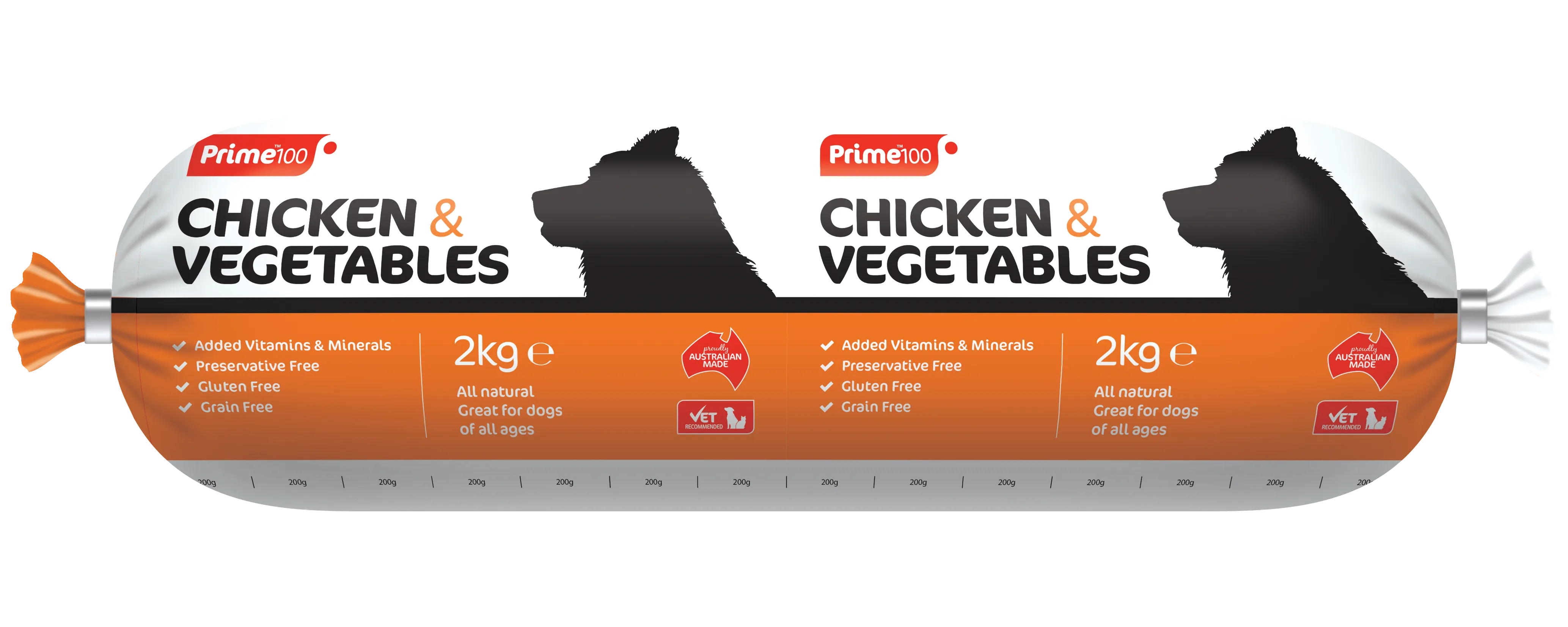
Words such as premium, natural, holistic or superfood do not by themselves tell you whether a food is complete, suitable for the life stage or appropriate for a medical problem. Look for the statement of purpose, manufacturer identity, feeding directions and handling instructions. Then compare the ingredient and nutrient information available for the exact recipe. An attractive image of meat does not establish the proportion present, and a long ingredient list is not automatically better or worse without understanding formulation.
Create a repeatable comparison sheet
Write down cost per day at the animal’s actual ration, storage needs, whether the pack can be used within the after-opening period, acceptance, stool quality and body-condition trend. For refrigerated rolls, include waste if the pack is too large. For dry food, compare energy density before comparing cup volumes. Review the sheet after several weeks rather than after one meal. This does not replace veterinary nutrition advice, but it converts vague impressions into observations that a veterinarian or manufacturer can use. Recheck the label every time the packaging changes, and do not assume another flavour in the same brand has the same energy or feeding guide. Households feeding more than one pet should measure separately rather than estimating from one shared bowl. If a food is chosen for a diagnosed condition, confirm alternatives with the treating veterinarian before substituting during a shortage.
Sources and review
Sources were checked on 24 September 2026. This guide provides general information, not veterinary diagnosis or a substitute for the current product label.