Pet Food Safety in Australia: What Changed in 2026
Agriculture ministers decided in April 2026 that a new regulatory approach was not warranted at that time. Here is what that decision does—and does not—mean for pet owners.
It answers the immediate buying or care decision first, then explains evidence, trade-offs, a concrete example and the point at which professional advice is more appropriate than another product.
The decision in plain language
The Australian Government Department of Agriculture reports that agriculture ministers considered pet food safety management on 24 April 2026 and decided a new regulatory approach was not warranted at that time on the available evidence. Jurisdictions are expected to continue monitoring and surveillance. This is a policy decision about the regulatory model; it is not a statement that every product is risk-free or that pet owners no longer need traceability.
Why the context matters
Australia’s pet food framework involves state and territory responsibilities, industry standards, consumer protections and biosecurity controls. Imported foods and animal-derived treats may also require permits or certification. These systems address different parts of the supply chain. A shopper cannot determine compliance from a front-of-pack phrase alone, so retaining product identity and manufacturer information remains practical.
What owners can do
Keep the original pack or photograph the product name, batch, best-before date and ingredient panel. Follow storage directions and avoid mixing a new food into an unlabelled container without retaining traceability. Introduce changes in a controlled way. If several animals become unwell after eating the same product, stop feeding it, preserve the packaging and seek veterinary advice. Report through the channels recommended by the relevant authority or manufacturer.
A worked incident record
A useful record includes when the food was opened, how it was stored, the amount fed, which animals ate it, onset and type of signs, photographs, veterinary findings and the batch details. “The food looked bad” is less actionable than a dated timeline connected to a named product. Do not post definitive causal claims before evidence is available; a temporal association may still require investigation.
What retailers should communicate
Retailers should avoid implying that a voluntary claim or familiar brand removes all risk. Product pages should show the exact variant, pack size, storage requirements and a route for questions. When a formula or packaging changes, archived descriptions should not be treated as current. Staff should know how to escalate a suspected quality problem without diagnosing the animal.
Our editorial judgment
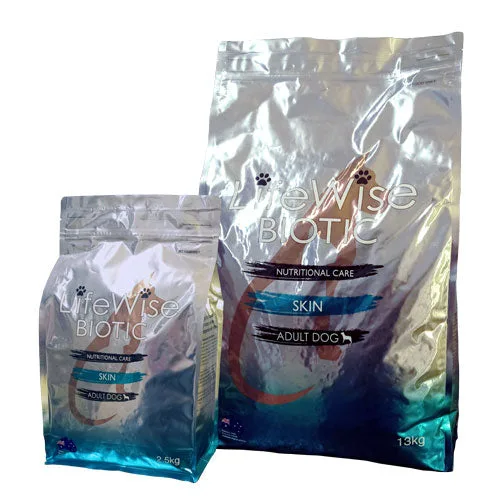
The 2026 decision makes disciplined product records more important, not less. Pet owners benefit from clear labels, accessible manufacturer contacts and retailers that preserve batch-level information. This site therefore treats historical catalogue pages as references and asks visitors to confirm current packaging and availability rather than presenting old specifications as live stock.
Biosecurity is a separate layer
The national decision about domestic pet-food regulation does not remove border controls. DAFF states that pet food, treats and chews containing animal or plant material may require permits, certification or declarations when brought or mailed into Australia. Travellers should not assume a small amount or personal use creates an exemption. For ordinary shoppers, this reinforces the value of purchasing traceable, correctly labelled goods through legitimate supply chains rather than importing an unverified bargain.
What this site changed because of the evidence
The previous site exposed archived Shopify pages as if they were a current shop. In this rebuild, old ranking URLs are retained only where they can provide a useful reference or are redirected to a stronger intent-matched guide. Prices and add-to-cart controls are not shown without a live inventory and checkout source. Each substantive nutrition page identifies its source, date and limitation. That is a more conservative experience, but it prevents stale catalogue data from being mistaken for a current safety or availability claim. Visitors are asked to confirm the exact pack and keep current labels. Corrections can be submitted with a source, and substantive changes receive an updated review date. This makes the product archive accountable without pretending that a static snapshot is a live retail system. It also gives search visitors an honest next action: learn what to check, then confirm current supply directly instead of relying on an obsolete cart button.
Sources and review
Sources were checked on 24 September 2026. This guide provides general information, not veterinary diagnosis or a substitute for the current product label.